

Smile Makeover
Serving Stuart, FL, Port St Lucie & Palm City


Serving Stuart, FL, Port St Lucie & Palm City



A smile makeover usually isn’t about one small fix. It's for people dealing with several concerns at once, such as discoloration, worn teeth, missing teeth, old dental work, uneven shape, or a mix of cosmetic and restorative issues that need to be handled together.
In those cases, one treatment usually isn't enough. The goal is to step back, look at the whole smile, and create a coordinated treatment plan that improves appearance, supports oral health, and helps restore function. Depending on what your smile needs, that plan may include teeth whitening, porcelain veneers, dental crowns, dental bonding, bridges, dental implants, or other cosmetic dentistry treatments performed in the right order.
Our Stuart smile makeover is a customized plan that uses multiple cosmetic and restorative treatments to improve your smile's look, health, and function. Depending on the patient’s needs, it may include whitening, veneers, crowns, bonding, bridges, or dental implants to address several concerns in a coordinated way.
A true smile makeover is built for patients with more than one concern. Some want a whiter smile and better symmetry. Others are also dealing with broken teeth, old restorations, spacing, bite issues, or replacing missing teeth. The right plan depends on the condition of the teeth, gums, bite, and overall smile goals.
A complete smile makeover may help address:

A smile makeover works by bringing several concerns into one dental plan instead of treating each one separately without looking at the bigger picture.
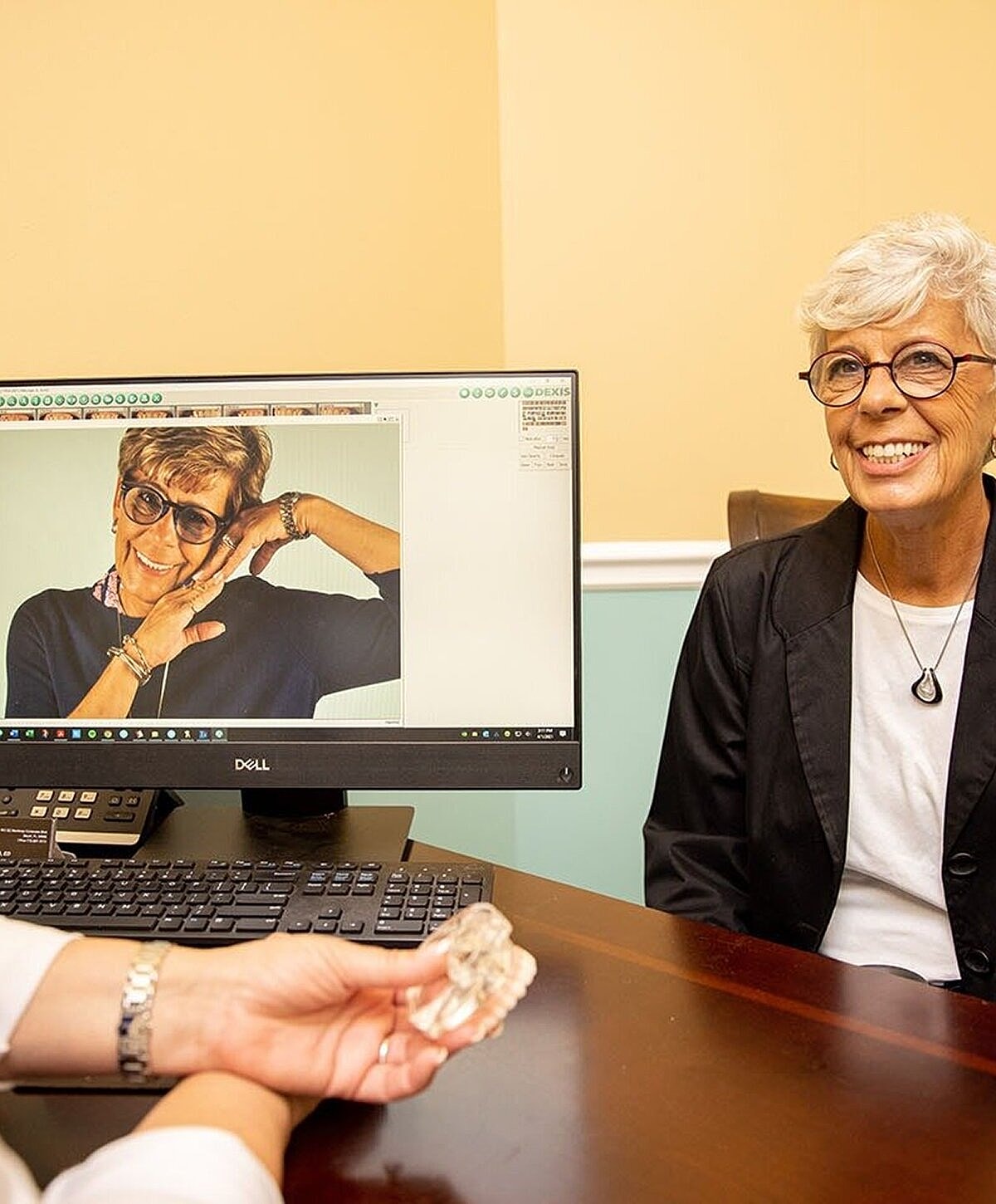
The first step is diagnosis. During the initial consultation, Dr. Sohl examines the teeth, bite, gum tissue, and existing dental work to understand what is cosmetic, what is structural, and what needs to happen first. Some patients mainly need cosmetic dental procedures such as whitening, veneers, or bonding. Others need a blend of cosmetic dentistry and restorative care because the smile also has worn teeth, older crowns, bridges, or areas of tooth loss.
Once the exam is complete, the treatment is sequenced practically. If the smile is healthy and stable overall, cosmetic work may begin early. If there are structural problems, infection, gum disease, or bone loss, those issues need to be evaluated before the cosmetic phase moves forward.
The smile makeover Stuart patients receive from Dr. Sohl is not about rushing into the most visible procedure first. It’s about building the smile correctly.
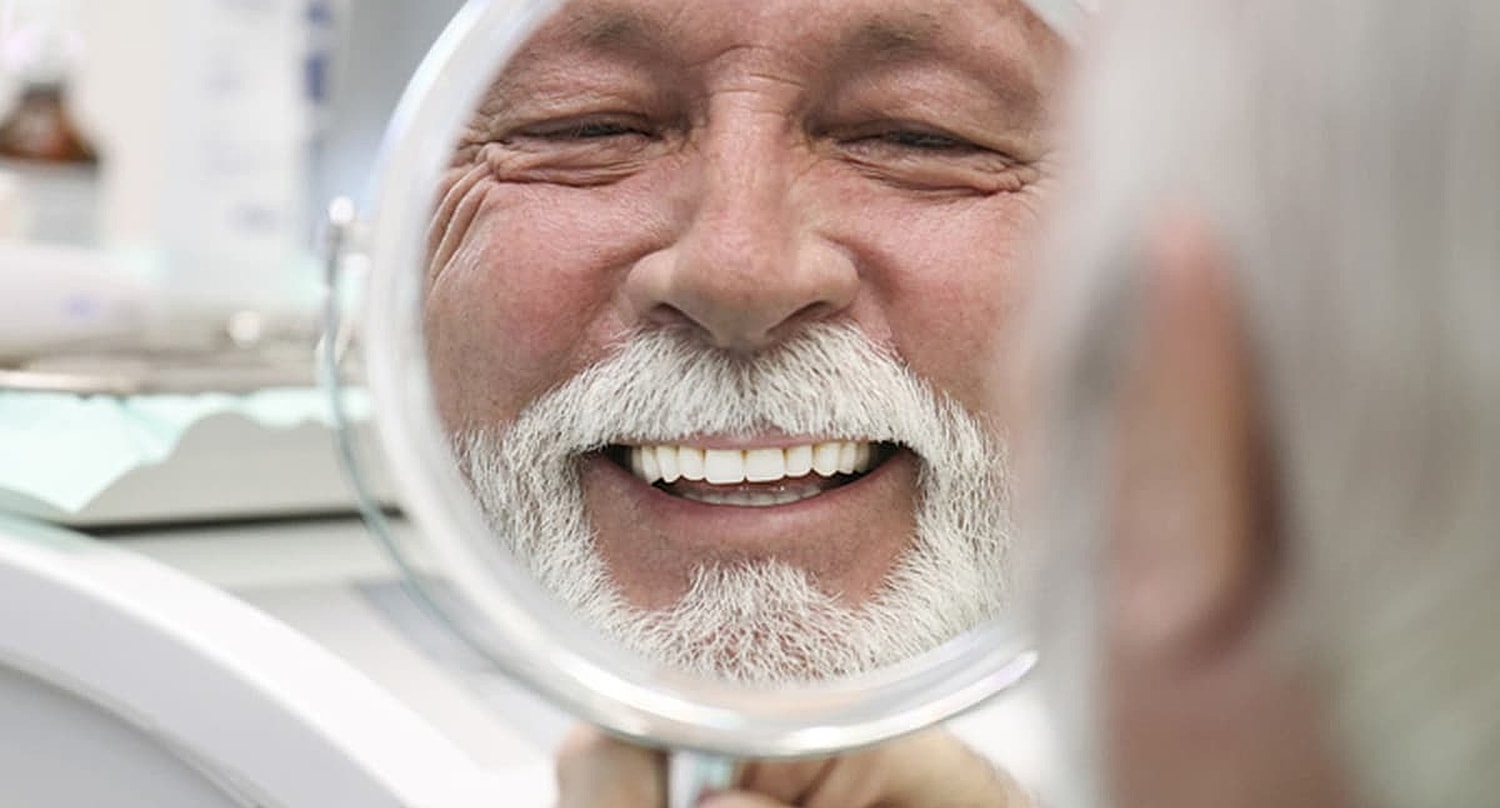

Professional teeth whitening is often one of the most requested parts of a smile makeover. It can lift common stains and, in many cases, make the smile several shades brighter. Whitening is often a good fit when the teeth are healthy overall and the main concern is color.
Porcelain veneers are a common choice for patients who want to improve shape, proportion, symmetry, and color across several teeth. Veneers can enhance one tooth or many teeth, depending on the case. They are often used to correct cosmetic flaws, close small spaces, and improve the look of misshapen teeth.
Dental bonding can be useful for small stain areas, tiny chips, minor shape changes, and certain surface flaws. In some cases, bonding can be completed in one visit, which makes it a practical option for smaller refinements within a bigger makeover.
Dental crowns are used when a tooth needs more strength and coverage. They are often recommended for worn, cracked, or heavily filled teeth that need protection as well as cosmetic improvement. Crowns are often part of a smile makeover when appearance and durability need to be rebuilt together.
Bridges may be used when replacing missing teeth is part of the smile plan and a bridge is the best fit for the patient’s needs.
Dental implants can be part of a smile makeover when one or more teeth are missing and long-term stability matters. In implant dentistry, an implant acts as an artificial root and is paired with a restoration to replace the visible part of the tooth. For patients with broader tooth loss, implant-based treatment may become part of a larger restorative plan.
When most or all teeth in an arch are failing or missing, All-on-4 dental implants may be the best way to rebuild the smile at the arch level. In those cases, the smile makeover becomes much more comprehensive and may overlap with full-mouth restoration.

A well-planned smile makeover can improve appearance, comfort, and function at the same time.
Benefits may include:

A smile makeover only works well when the treatment is done in the right order.
For example, cosmetic improvements should not be placed on an unstable foundation. If a tooth needs a root canal, if a crown is failing, or if missing teeth are affecting the bite, those issues may need to be handled before veneers or whitening. In more complex cases, the smile makeover may involve several phases so the final result looks better and holds up better.
That sequence is one reason patients often do better with a comprehensive plan. Instead of bouncing between unrelated procedures, the smile is rebuilt step by step with the final result in mind.
That depends on the procedures included. Some phases, such as professional teeth whitening or bonding, may involve little downtime and only mild sensitivity afterward. Veneers and crowns may involve numbing, pressure, or temporary sensitivity. More involved restorative phases, including implants, may involve a different recovery experience.
Recovery depends on which procedures are involved.
Some cosmetic treatments involve very little downtime. Restorative or surgical phases may involve soreness, swelling, or sensitivity.
Some patients can return to normal eating quickly. Others may need to stick with softer foods after restorative treatment or implant surgery.
Many cosmetic phases cause little interruption. More involved procedures may require a little more recovery time before returning to a normal routine.
Some smile makeovers move quickly. Others unfold over several appointments or phases, depending on how many procedures are involved.
Call if you have worsening pain, unusual swelling, signs of infection, bite problems, or trouble with a temporary restoration.
That depends on the treatment mix. Whitening results may be visible quickly. Bonding, veneers, and crowns are noticeable once placed. Implant cases take longer because healing is part of the process. In larger cases, temporary restorations may be used before the final result is delivered.
Whitening, veneers, bonding, crowns, bridges, and implants all have different lifespans. Bite forces, grinding, regular dental checkups, and home care all matter. A smile makeover should be designed for durability, not only appearance.

The risks depend on which procedures are included.
Possible risks may include:
Careful planning helps reduce those risks.




A smile makeover works best when the dentist can look at the whole case, not only one tooth.
Dr. Sohl combines cosmetic dentistry with restorative planning, which is especially important for patients who need more than whitening or veneers alone. His office can coordinate cosmetic improvements, crowns, bridges, implant treatment, and more advanced reconstruction when the smile needs broader support.
That kind of planning matters. It helps patients move through multiple treatments with one clear direction instead of piecing together care without a larger plan. For patients looking for a cosmetic dentist who also understands restorative complexity, that broader view is a real advantage.
A smile makeover uses multiple procedures to improve the smile as a whole. It may include teeth whitening, porcelain veneers, dental bonding, dental crowns, bridges, or dental implants, depending on the patient’s needs.
Yes. Dental implants are often included when missing teeth are part of the problem and the goal is to improve both appearance and function.
Yes. Professional teeth whitening is one of the most common parts of a smile makeover, especially when discoloration is one of several concerns.
Smile makeover costs can vary widely. It usually varies based on the number of teeth involved, the procedures included, the materials used, and the complexity of the case.
That depends on the procedures involved. Purely cosmetic treatment is often not covered by dental insurance, while some restorative procedures may be covered in part.
Many practices offer flexible financing or other payment options to help patients manage treatment costs over time.
The best first step is to schedule a consultation so the smile can be evaluated and a personalized plan can be built around your goals.

Mon-Thu: 8am – 4pm
Fri: 8am - 12pm


