

Dental Implants in Stuart, FL
Intraoral Restorations With the Whole Face in Mind
Serving Stuart, FL, Port St Lucie & Palm City


Serving Stuart, FL, Port St Lucie & Palm City

As one of the first facial features someone notices about another, teeth play a vital role in how attractive a person is perceived to be. If one or more teeth are lost, especially in the aesthetic zone (the visible part of the smile), this can have detrimental consequences on the perceived beauty of the face as a whole. Missing teeth can cause as much psychological damage as physical, driving many patients to seek out solutions that not only reestablish lost function, but lost aesthetics as well.
At our office, we offer Stuart dental implants as one of the most long-term and aesthetically-driven solutions to missing teeth dentistry offers today. With them, Dr. Michael Sohl has the power to restore one or more teeth, change the form of the jaw bone, and positively influence the outward appearance of the face. Once all these factors are in place, the renewed confidence our patients feel in their new smile is virtually unrivaled when compared with any other dental service we provide.
A dental implant takes the place of a missing tooth’s root. It is a small post that goes into the jawbone, where the bone slowly bonds to it. An abutment connects the implant to the visible replacement tooth, which is usually a custom crown.
The implant and the crown each have their own role. The implant supports the tooth under the gums, while the crown is the part you see and use for chewing. Multiple implants can also hold up a bridge or a full set of replacement teeth.
You might not need an implant for every missing tooth. The best option depends on how many teeth are missing, their location, and how much bone is available to support the implants.
A single implant can hold a crown to fill one gap. This method replaces the missing tooth without needing to reshape the teeth next to it, as is done with a traditional bridge.
If you’re missing several teeth in a row, implants can support a bridge that covers the gap. The number and placement of implants depend on how big the gap is, the bone support, and your bite.
If you have all or most teeth missing in one arch, All-on-4 dental implants could be an option. This treatment uses a few well-placed implants to support a full set of teeth. Dr. Sohl can explain how this approach is different from replacing teeth one by one during your visit.


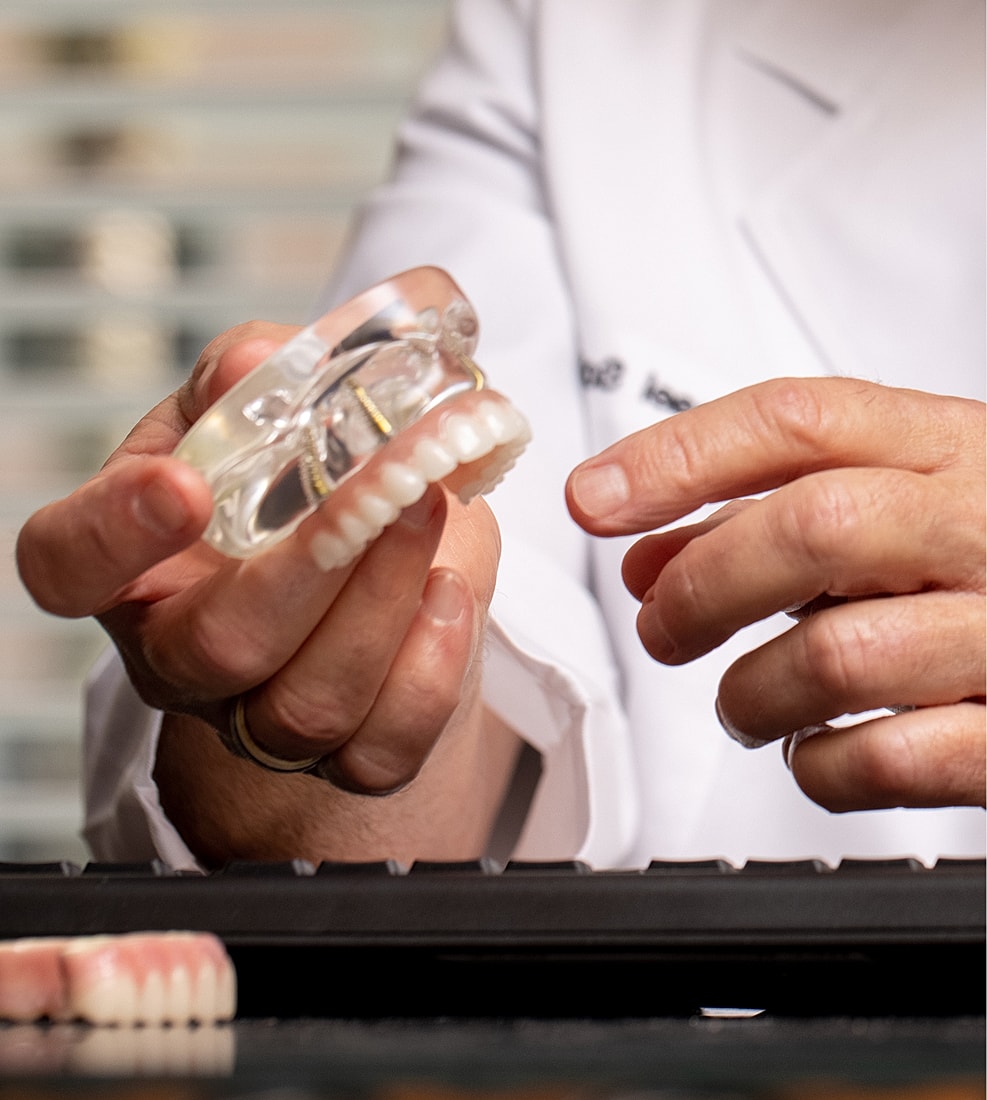
Functionally, dental implants change the bony structure of the jaw bone by providing healthy stimulation that mimics that of a natural tooth root. This prevents further jaw bone loss, while creating a stable foundation for the restored dental crown. Dental implants also halt adjacent teeth from shifting, helping the bite remain aligned and strong.
To sum up some of the benefits of dental implants:
Aesthetically, dental implants widen the smile, eliminating “buccal corridors,” the dark spaces between the side teeth and corners of the mouth. Along with providing fuller cheeks and lips, dental implants are restored with a life-like and natural-looking dental crown.
The dental implant will fit comfortably between surrounding teeth, with the most ideal blending of size, color, proportion, and shape with the other teeth. In fact, it will be impossible to distinguish your dental implants from the rest of your natural teeth!
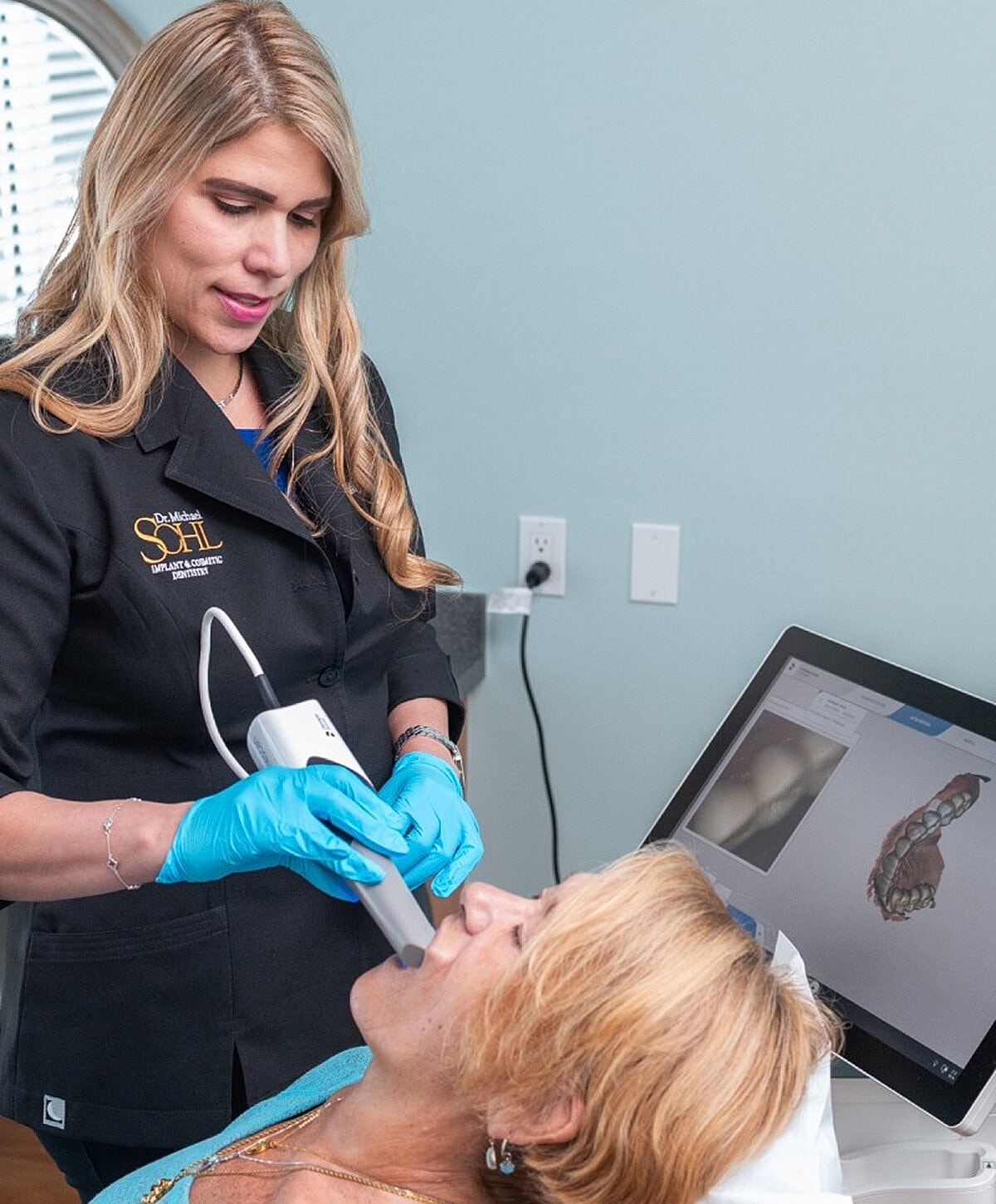
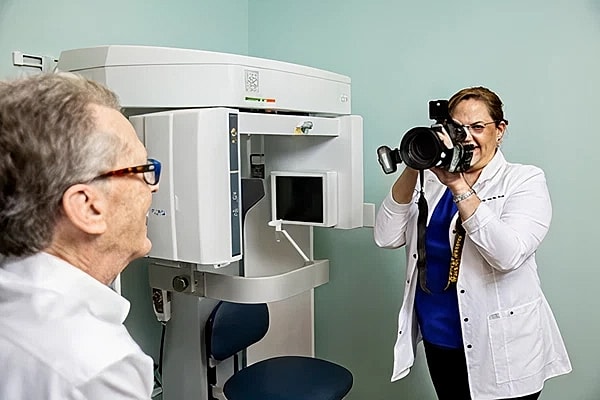
All our dental implant cases begin in our Digital Smile Design Studio, where we take photographs of your smile, create 2D digital images of the teeth, and then build a 3D physical mockup of your new tooth to test out. During this time, we take high-quality intraoral images of the teeth and bone using the Cone Beam CT scan. This gives insight into the condition of the jaw bone, at what position the dental implants should be placed, and which type should be used.
If a patient has suffered severe jaw bone loss in the upper jaw, many times we can use Zygoma dental implants, an alternative to traditional implants. These implants are longer in length and anchored in the cheek (zygomatic) bones, eliminating the need for bone grafting. Our Stuart cosmetic dentist is one of very few dentists formally trained in placing zygoma dental implants and uses 3D technology and software to help ensure the success of both zygoma and traditional implant surgery.
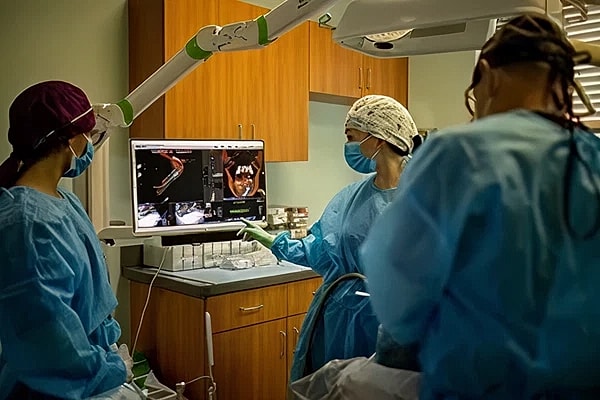
From the results of the 3D digital images, we create a very precise and custom surgical guide that is used during surgery to help ensure that the aesthetic outcome designed beforehand is guaranteed once surgery is complete. For simple-to-complex cases, these surgical guides provide greater precision and outcome predictably, and minimizes risks and complications with accurate guidance of placement angle and depth. With each dental implant surgery, we incorporate platelet rich fibrin, contrived from your own blood, to accelerate safe and healthy healing of the procedural site.
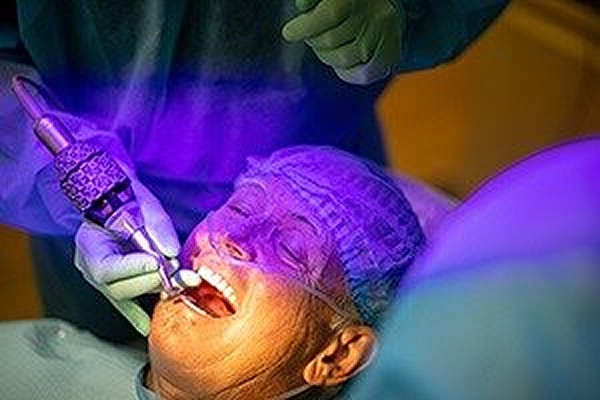
All our dental implant cases are aesthetically-driven, with a focus on the final result first to determine how it will affect the face and smile as a complementary whole. The tooth designs we create in the studio are the most ideal in regards to shape, color, texture, and proportion for an outcome that balances perfectly with your facial appearance and structure. Specific materials are then chosen based on these factors, with the final 3D images sent to the dental lab for fabrication of the physical dental crown. We restore all dental implants in-house after the implants have undergone the proper healing time (about 3-4 months). In most cases, as also with all-on-4 dental implants, we can place temporaries the same day as your surgery!
Recovery happens in two stages. First, the surgical area heals. Then, the bone slowly bonds with the implant. Your mouth might feel better before the implant is strong enough for normal chewing.
You may have some soreness, swelling, bruising, or minor bleeding after the procedure. Be sure to follow your instructions for medication, cleaning, and activity. Rest after surgery and stick to soft foods while you heal. Your instructions will vary depending on whether you had one implant or a more involved treatment.
Having a temporary tooth does not mean healing is finished. Keep following the chewing restrictions for your restoration until your dentist says it is safe to use normally. Call the office if pain or swelling gets worse instead of better, or if your implant or replacement tooth feels loose.
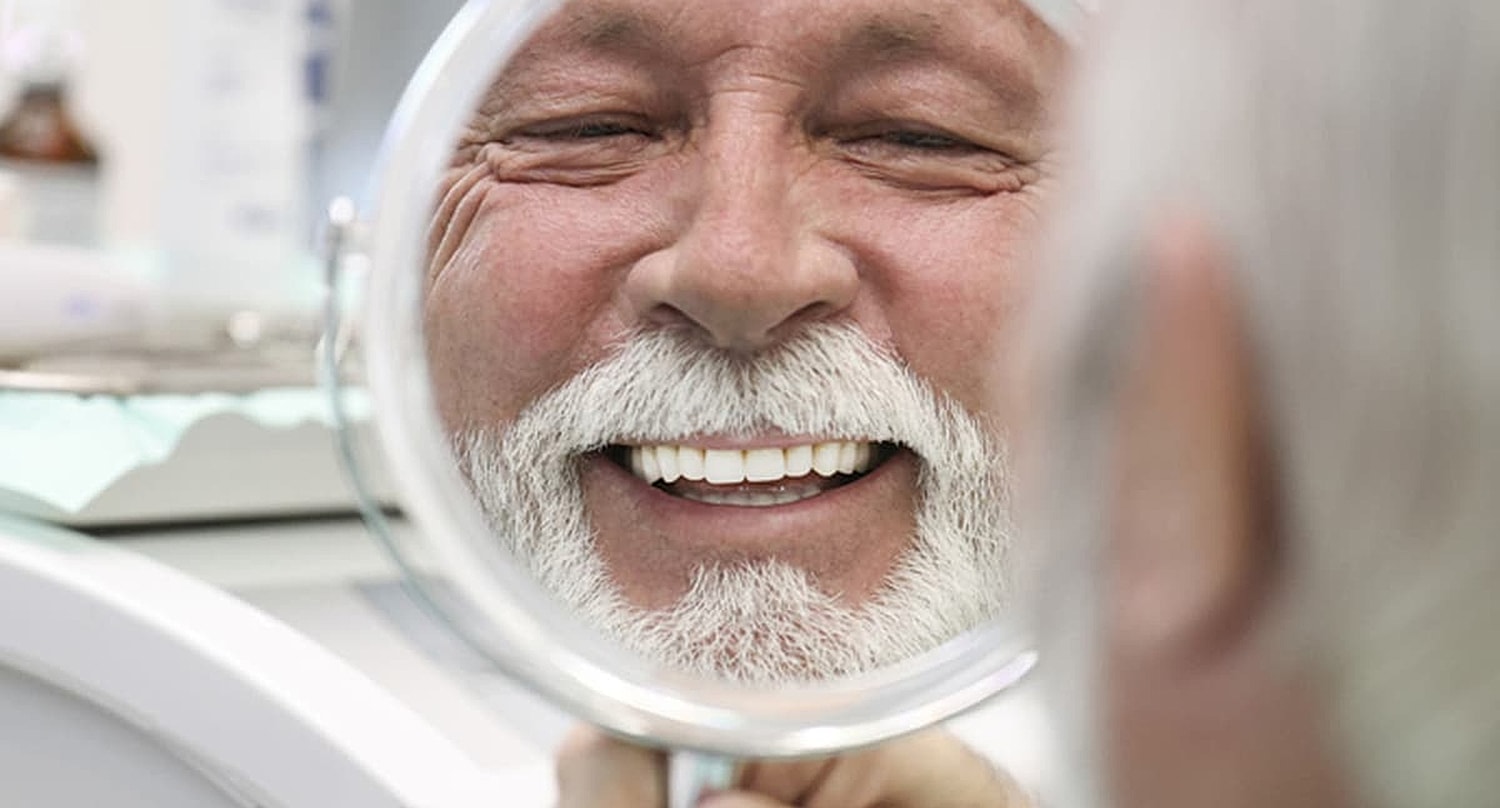

If you have good overall oral health, are in general good health, and have missing teeth that you’d like replaced, you would be an ideal candidate. In some instances, however, if you’ve been missing teeth in your mouth for a long time, your jawbone can begin to resorb (to be absorbed back into the body), creating a foundation that’s too weak for dental implants to be placed stably.
In such instances, bone grafting would need to be done to fill in the missing bone and provide a stable platform for implants to be placed. The dentist can determine whether bone grafting is necessary during an initial consultation and exam. Additionally, in instances where your sinus may be too low for some top arch tooth implants to be placed, a sinus lift may be required.
Complications can include infection, injury to nearby teeth or tissues, nerve injury, and sinus issues with some upper-jaw implants. Sometimes, an implant does not bond well with the bone and may need to be removed or treated further.
Smoking, uncontrolled diabetes, and untreated gum disease can raise the risk of healing problems or implant issues. Be sure to tell your dentist about your medical history, medications, and tobacco use before treatment so these can be considered in your plan. Digital planning helps guide where implants go, but it cannot remove all surgical risks.





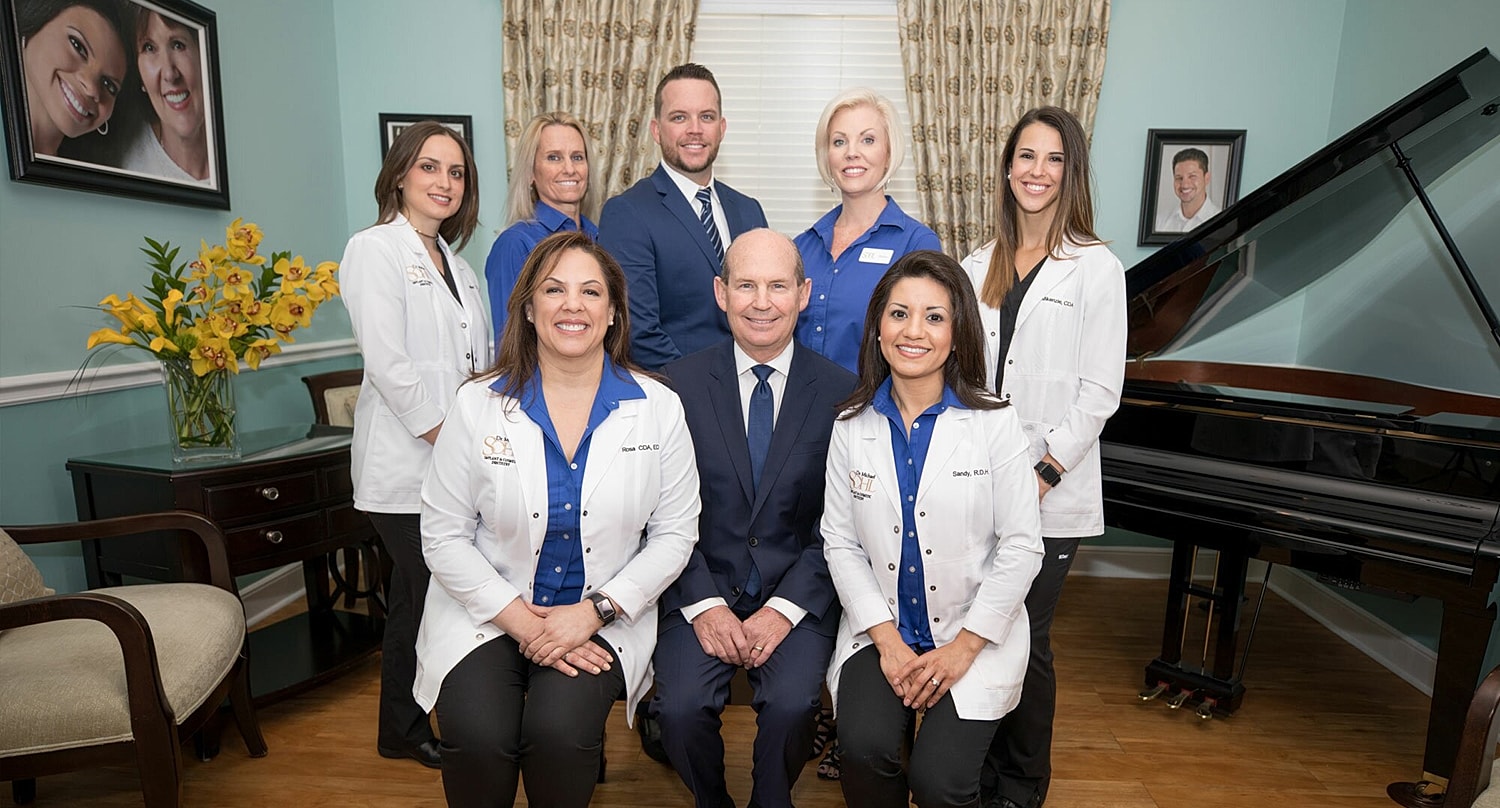
Dr. Sohl strives to provide you with the best dental implants Stuart has to offer and has been successfully placing dental implants since 1984 while working side-by-side with some of the top dentists in implant dentistry.
A member of the prestigious International Congress of Oral Implantologists, he stays abreast of the latest technology and surgical techniques to provide the best possible care for his patients with missing teeth. With every treatment plan, Dr. Sohl emphasizes both how the final outcome affects the aesthetics of the face and smile and how precision placement improves function and health. In every case, our dental implant process is facially-driven, determined by how the final results improve the facial appearance as a whole. In this way, each treatment is customized, precise, and offering the most ideal results for each of our unique patients!
When viewed as a one-time, though necessary, procedure, dental implant cost in Stuart, FL can seem expensive, especially when compared to dental bridges. Dental implants, however, provide more than a simple cosmetic fix for a missing tooth; dental implants can significantly improve a patient’s life by improving lost oral health, regaining smile aesthetics, and providing a substantial boost to self-confidence. Contrary to temporary restorations, dental implants are the only solution to missing teeth that can last a lifetime, while providing both beauty and necessary function to the smile. Choosing dental implants is choosing to invest in your long-term quality of life and overall confidence in your smile.
Teeth supported by implants need to be cleaned every day and checked at regular dental visits. Brush gently around the gumline and clean between your teeth and under any connected restorations with the tools your dentist recommends for your crown or bridge.
The replacement tooth itself cannot get a cavity, but the gums and bone around it can still get inflamed or infected. If you notice bleeding, swelling, a lasting bad taste, or looseness, have it checked. Keep up with your maintenance visits even if your implants feel fine, and let your dentist know if you grind your teeth, clench your jaw, or notice any changes in your bite.

Though some patients only need to undergo the dental implant procedure itself, most patients need additional supplementary treatment to ensure that their dental implants remain strong and healthy.
If more than one tooth is missing, gum disease is present, or significant jaw bone loss has occurred, we will need to create a more comprehensive treatment plan. Even if you do require multiple procedures, our comprehensive services, including bone grafting, tooth extractions, and sinus lifts, are completed in-house, so you will rarely, if ever, need to be referred out of our office for treatment. We plan all our dental implant cases digitally beforehand, helping you visualize the end result, and directing us to the best and most cost-effective treatment path for you. Factors that determine dental implant cost:
At our Stuart office, dental implant cost is directly related to the experience and level of care provided by the implant dentist. We strive to offer dental care that is not only affordable to our patients, but provides them with the most aesthetic outcomes and the greatest long-term functionality modern dentistry can offer. Under the care of Dr. Michael Sohl, treatment is predictable, comfortable, and tailored to your exact dental needs.
We never want our patients to suffer from failing oral health and declining self-confidence because of missing teeth. We will help you find the best possible solution for your circumstances and budget, without compromising on quality or beauty.
Dr. Sohl serves patients throughout the Treasure Coast region, including Stuart, Port St Lucie, Palm City, and Jupiter, FL.
A traditional dental bridge fills a gap by using the teeth next to it for support. An implant-supported crown or bridge is held in place by the jawbone. Both options can replace missing teeth, but they require different treatments and care.
An implant helps keep the healthy teeth next to it intact because they do not have to be reshaped for support. However, getting an implant does mean having surgery and allowing time to heal. A traditional bridge might be a better choice if the nearby teeth already need crowns or if implant surgery is not a good option for you.
During your dental implant consultation in Stuart, Dr. Sohl will review the condition of your nearby teeth, the amount of bone you have, your bite, and the treatment options to help you choose the best solution.
Dental implants are considered the best and most permanent tooth replacement option by far. Dentures only work to fill an empty space in your mouth with artificial teeth, and removable dentures require additional maintenance and daily application of adhesive. In addition, dentures do not stimulate the jawbone, unlike dental implants, so jaw bone loss occurs over time. Because of this, dentures often need to be replaced or adjusted, and you may still wind up getting a sunken look to your cheeks and mouth.
With proper oral care and regular dental checkups, dental implants themselves can last a lifetime. However, the crowns fitted on the dental implants may need to be replaced every 10 to 15 years.
In the long run, dental implants can be well worth their cost. Other tooth replacement options are not as permanent or long-lasting, which would require additional cost as they need to be replaced.
The area where the implant goes will be numbed before the procedure. You might feel some pressure during the treatment and some soreness afterward. If you feel anxious, ask about Dr. Sohl’s sedation dentistry options before your visit. The best approach will depend on your health and the treatment plan.
The whole process often takes a few months, since the implant needs time to bond with the jawbone before the final tooth is placed. If you need extractions or bone grafting, these steps can add more time. Your treatment plan will outline the surgery date, any temporary teeth, and when you will get your final restoration.
If you have active gum disease, it must be treated before you can get an implant. Having had gum disease in the past doesn’t mean you can’t get implants, but it can raise the risk of issues. Keeping your gums healthy, cleaning daily, and seeing your dentist regularly are all important for success.
You may not need a bone graft. It’s only suggested if your jawbone is too thin or does not have enough support for the implant. Imaging will show if you need grafting and whether it can be done at the same time as the implant or if it needs a separate healing period.
Check if your estimate covers imaging, implant placement, the abutment, and the final crown or bridge. Ask about any extra charges for extractions, grafting, sedation, temporary teeth, or maintenance. Comparing the same items will help you understand dental implant costs more clearly.

Mon-Thu: 8am – 4pm
Fri: 8am - 12pm


