

Dental Implants
Serving West Palm Beach, FL

Serving West Palm Beach, FL



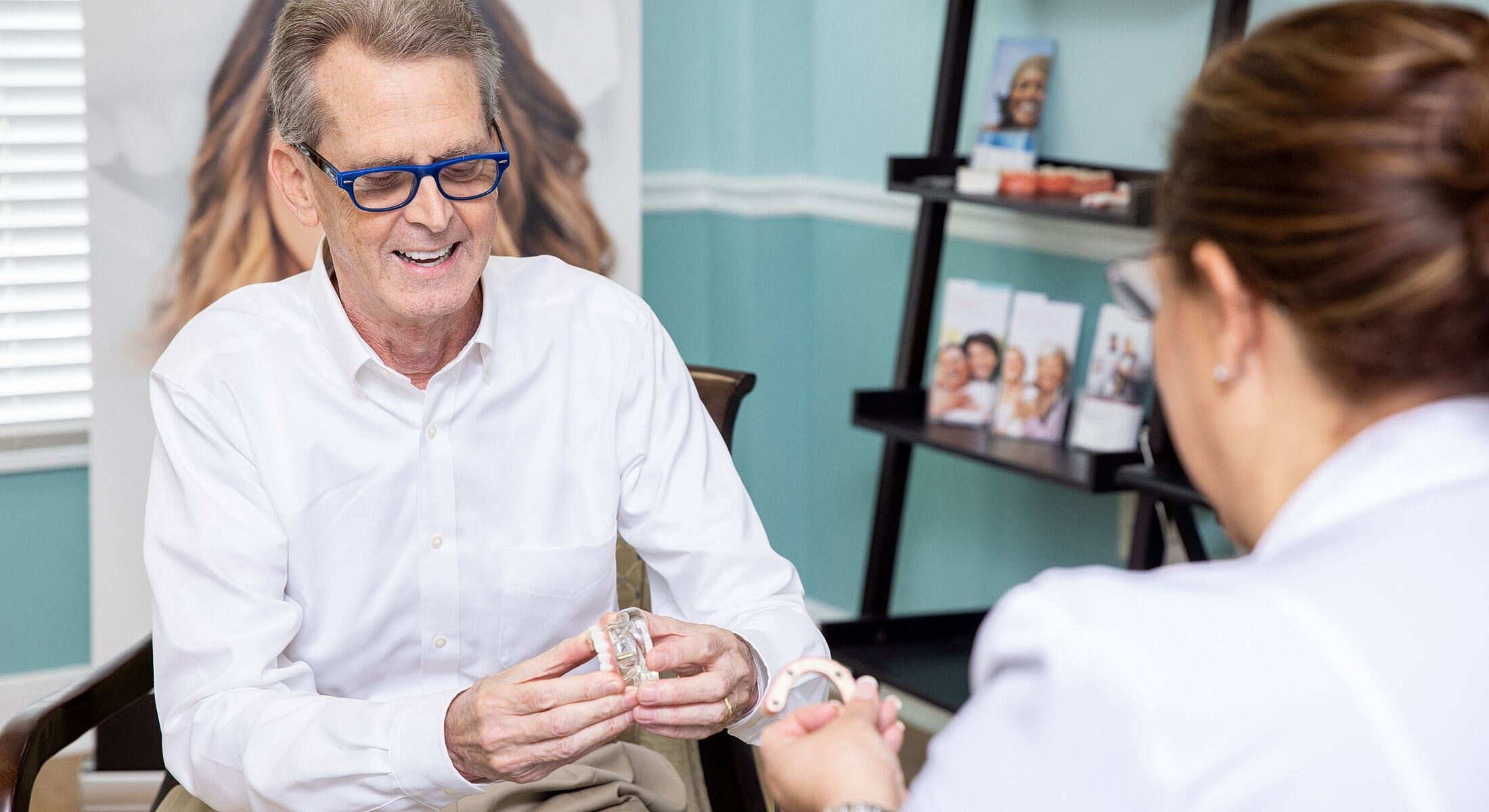
When you lose a tooth, it can make chewing and speaking harder, and you might feel less confident about your smile. Tooth loss can also cause nearby teeth to move and your jawbone to shrink over time. Dental implants take the place of the lost tooth root, giving you a strong base for a new tooth or a bigger restoration.
For patients seeking care from West Palm Beach dental implants are available at Dr. Michael Sohl's Stuart office. He looks at your teeth, gums, bite, bone, and facial features before suggesting a treatment. This way, your new teeth will feel comfortable, work well, and blend in with your natural smile.
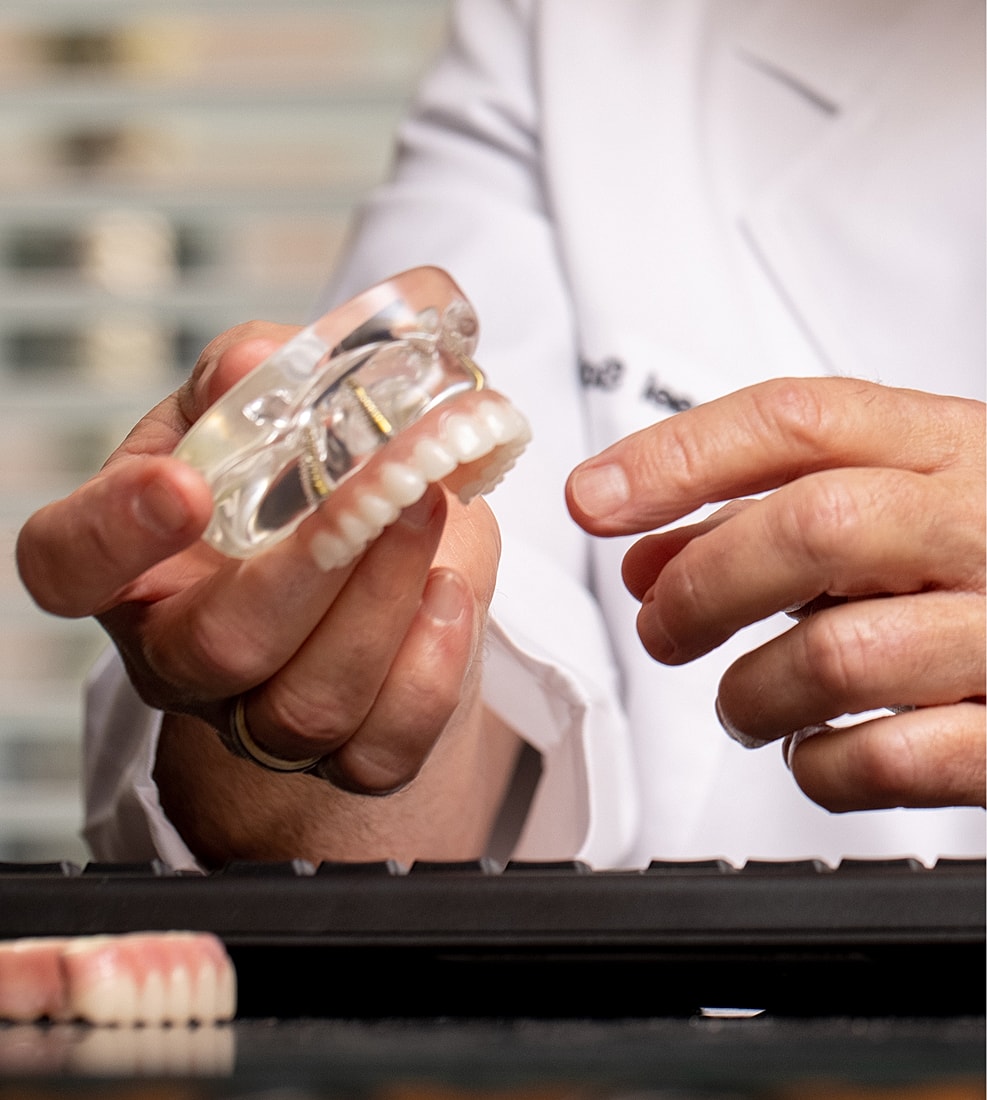
A dental implant is a small post placed in your jawbone to replace a missing tooth root. Most implants are made from titanium, which is safe for your body and commonly used in dentistry. As you heal, your bone grows around the implant and holds it firmly in place. This is called osseointegration.
One implant usually holds an abutment and a dental crown. If you’re missing more teeth, two or more implants can support a bridge, and several implants can hold a full set of artificial teeth. The number of implants you need depends on how many teeth are missing, the health of your other teeth, and the type of restoration you want.
Dental implants offer several benefits for patients who want to restore their smile after tooth loss:
With good planning and care, implants can help keep your mouth healthy. Because they are stable, you can eat a variety of foods, speak clearly, and smile without worrying about dentures slipping. Your results will depend on your oral health, bone support, the treatment you receive, and how well you care for your implants.
Dental implant treatment is customized based on how many teeth you are missing and the condition of your mouth. Dr. Sohl will check how many teeth need to be replaced and see if any of your natural teeth can be saved.
A single implant can replace one missing tooth and doesn’t need help from the teeth next to it. Once the implant heals, Dr. Sohl will finish the treatment with a crown that matches the color, shape, and size of your natural teeth.
If you’re missing two or more teeth in the same spot, several implants can support a bridge. These implants act as anchors, so you don’t need an implant for every missing tooth.
Full-mouth dental implants are a good option if most or all of your teeth in the upper or lower jaw are missing or cannot be saved. The All-on-4 method uses a set of implants to support a full arch of teeth. Some patients can get temporary teeth on the same day as their implant surgery.
If you have lost a lot of bone in your upper jaw, you might not have enough bone for regular implants. Zygomatic implants use the cheekbone for support and can be an option for some people who were told they could not get implants before.
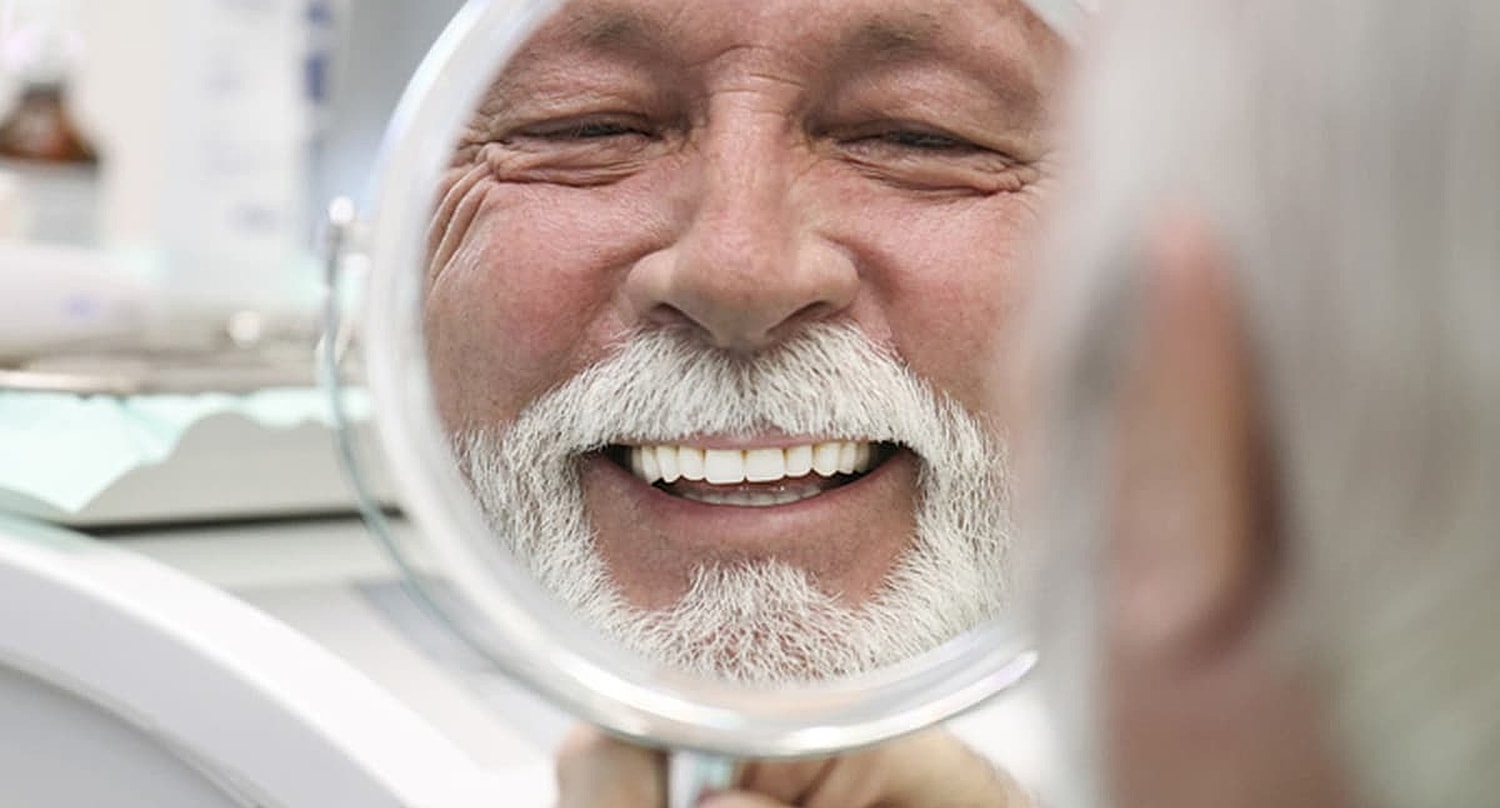
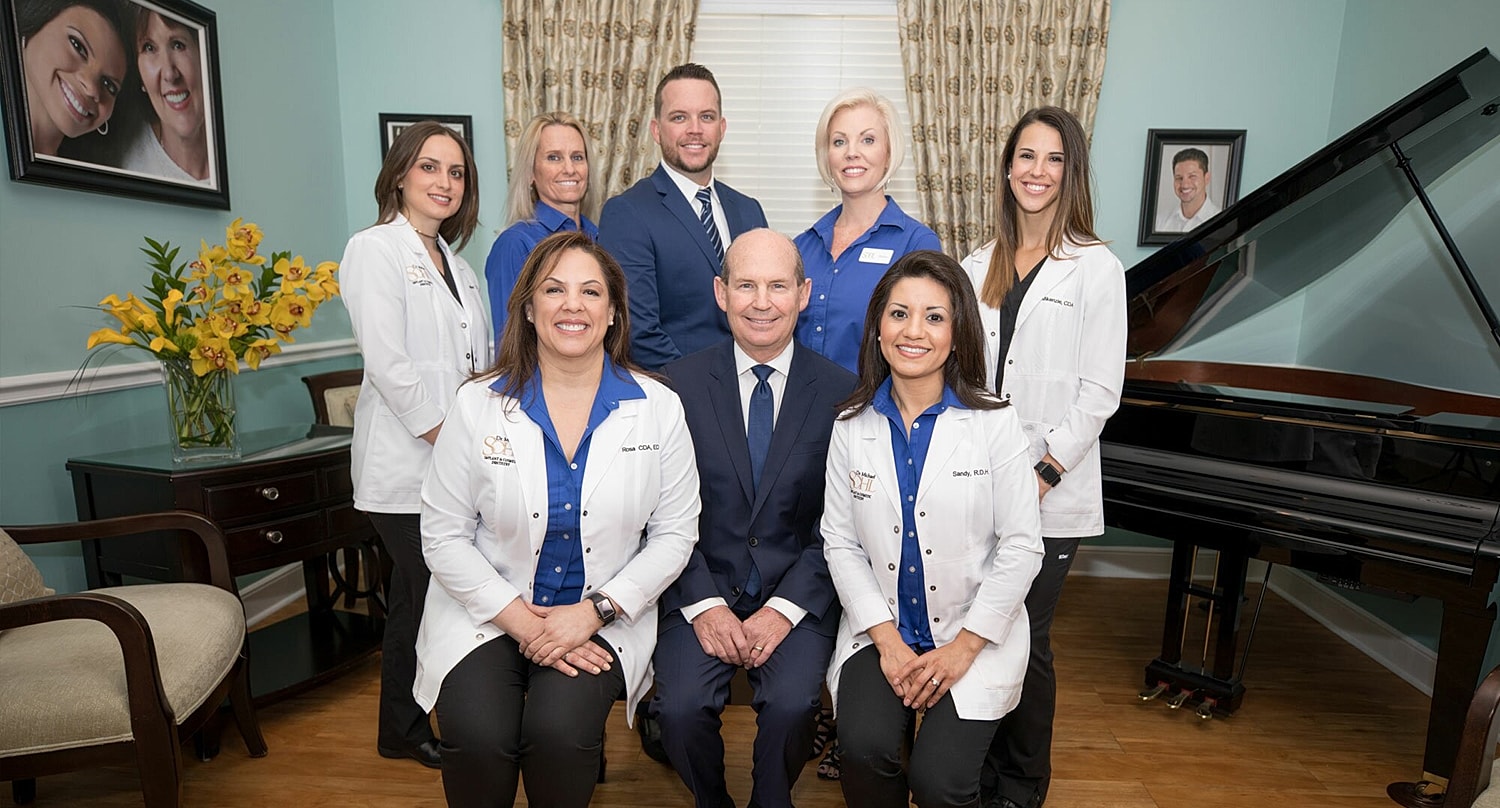

The dental implant process has four broad stages: consultation, implant surgery, osseointegration, and placement of the final restoration. Bone grafting, tooth extractions, or other preparatory care may add another stage when needed.
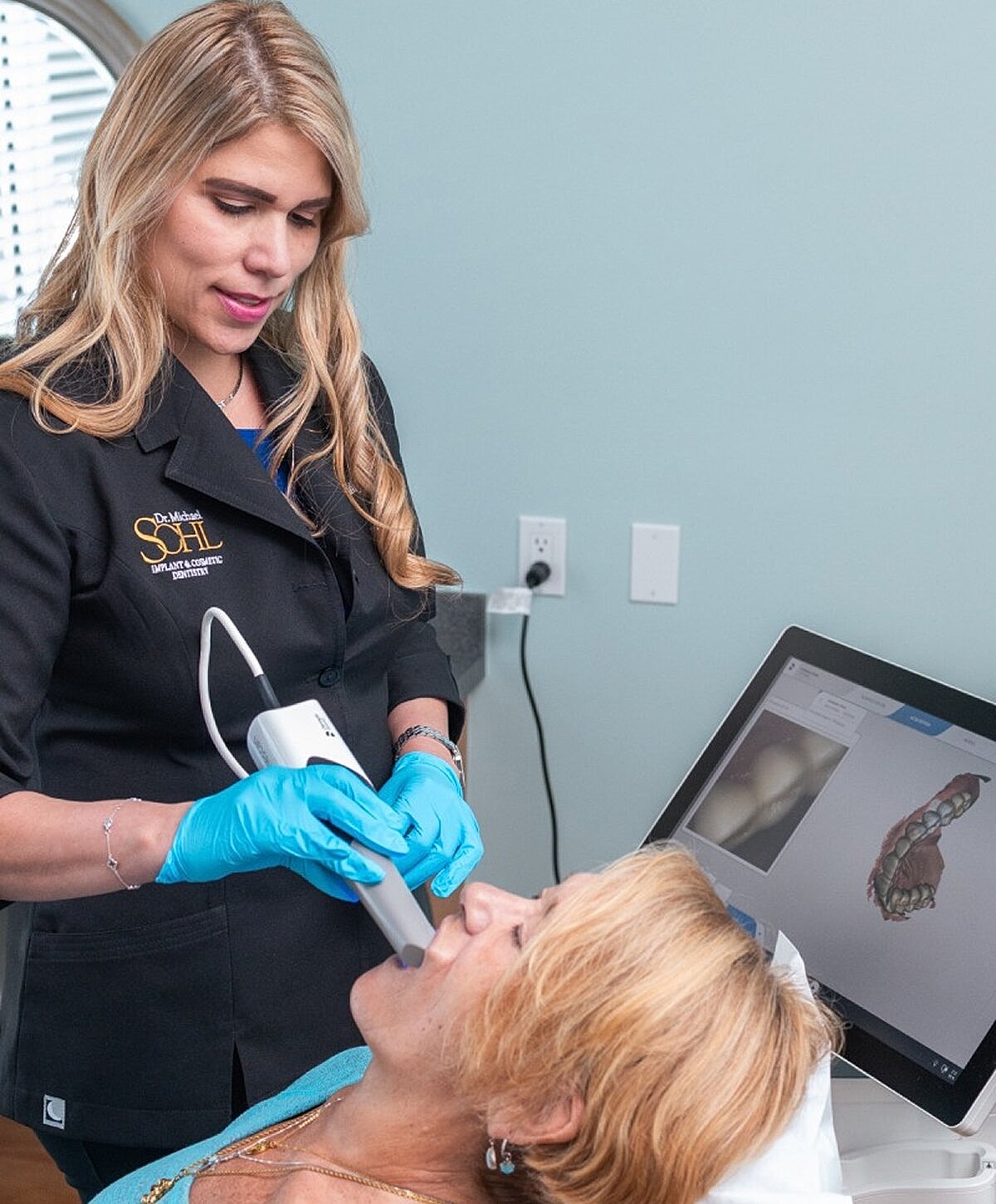
Dr. Sohl starts by examining your mouth and reviewing your medical history, dental health, and what you want from treatment. He uses digital imaging to check your jawbone, the position of nearby roots, and other important areas. Digital Smile Design helps him plan the size and position of your new tooth before surgery.
Some people have enough bone and healthy gums to go straight to dental implant surgery. Others might need treatment for gum disease, tooth removal, bone grafting, or a sinus lift first. These steps help make sure your mouth is ready for implants.
During implant surgery, the area is numbed with local anesthesia. Some patients can also have sedation if needed. Dr. Sohl places the implant post in the planned spot in your jawbone, often using a custom guide to make sure it is placed just right. Sometimes, platelet-rich fibrin from your own blood is used to help the area heal.
It usually takes a few months for the implant to bond with your bone, but healing time can vary. If possible, you may get a temporary tooth during this time. Once the implant is stable, Dr. Sohl will finish the process with a crown, bridge, or full set of teeth that fit your bite and look natural.
Many adults with missing or failing teeth can get dental implants. You need to have good oral health for surgery, enough healthy bone or a plan to rebuild it, and be ready to care for your implant after treatment.
Dr. Sohl will look at your medical history, medications, gum health, bone support, smoking habits, and any long-term health issues that could affect healing. If you have gum disease or other health problems, these may need to be treated before surgery. Smoking can slow healing and raise the risk of implant failure, so be sure to talk openly about tobacco use during your visit.
What If You Don’t Have Enough Bone?
Bone grafting can rebuild parts of your jaw before getting dental implants. The kind of graft you need depends on where bone is missing and how much support your implant will need. If your sinus is too close to the implant site in your upper jaw, you might need a sinus lift.
If you have lost a lot of bone in your upper jaw, you might be able to get zygomatic implants instead of having a big bone graft. Dr. Sohl uses digital imaging to check your bone and decide which options are best for you.
It’s normal to have some soreness, swelling, or tenderness after dental implant surgery. You might need to eat soft foods and avoid chewing on the implant area while it heals. Dr. Sohl will give you instructions on how to clean the area, take any medicine, and protect your implant.
Most people start to feel better before the implant fully bonds with the bone. It usually takes a few months for this to happen before the final crown or restoration is added. If you need several implants, bone grafting, or full-mouth treatment, your plan may take longer.
Dental implants, bridges, and dentures are all ways to replace missing teeth. Each one uses a different kind of support, which affects how stable they are, how you care for them, and how they impact your mouth.
Implants | Bridges | Dentures | |
|---|---|---|---|
| Support | Anchored in the jawbone | Supported by neighboring teeth | Rests on the gums |
| Bone stimulation | Replaces stimulation from a tooth root | Does not replace the root | Does not replace the roots |
| Effect on other teeth | Usually independent | May require reshaping adjacent teeth | Usually does not require reshaping |
| Stability | Fixed | Fixed | Removable |
| Uses | One tooth through a full arch | Selected gaps involving several teeth | Partial or complete tooth loss |
Dental implants are a good choice if you want a fixed tooth replacement and have the right health and bone support for surgery. In some cases, a bridge or denture might be better. Dr. Sohl will go over the pros and cons of each option based on your needs.





Dr. Michael Sohl has practiced dentistry since 1981 and has placed dental implants since 1984. He graduated from The Ohio State University College of Dentistry and has continued his education in implant care, aesthetics, sedation, and advanced treatment techniques. His professional affiliations include the American Dental Association, American Academy of Implant Dentistry, and International Congress of Oral Implantologists.
If you’re looking at different dental offices or implant centers, it is important to know who will handle both the surgery and the final restoration. Dr. Sohl does both the implant surgery and the final restoration, always thinking about your finished smile. His Stuart office uses advanced tools like cone beam imaging, Digital Smile Design, and guided implant placement to make sure your care is well-coordinated from start to finish.
Dr. Sohl provides dental implants West Palm Beach patients trust from his Stuart practice. During your visit, he will help you figure out what can be saved, how many teeth need to be replaced, and whether you need a single implant, a bridge, or full-mouth treatment.
The team will go over the recommended procedures, how many visits you will need, what to expect during healing, and your personalized cost before you start treatment.
The implant site is numbed with local anesthesia before surgery, and sedation options are available for eligible patients. Soreness and swelling are common afterward but usually improve as the area heals. Dr. Sohl will provide instructions for managing discomfort and protecting the surgical site.
Dental implant treatment usually involves several appointments over a period of months. The timeline includes planning, surgery, osseointegration, and restoration. Bone grafting or other preparatory treatment can add time. Dr. Sohl will provide a more specific schedule after examining your mouth.
Some patients can receive a temporary tooth or arch on the day of dental implant placement. Same-day temporary teeth depend on bone quality, implant stability, bite forces, and the type of restoration. They are not appropriate for every patient.
An implant post can remain functional for decades with proper care, healthy bone, and regular dental checkups. The final crown, bridge, or full-arch restoration experiences normal wear and may eventually need repair or replacement.
Implant failure is possible, although careful planning and maintenance help reduce the risk. Infection, poor healing, uncontrolled gum disease, smoking, insufficient bone integration, or excessive bite forces may affect an implant. Contact the practice if an implant becomes painful, loose, or difficult to clean.
The implant and artificial tooth can’t develop a cavity, but the surrounding gum tissue and bone still require care. Bacteria can cause inflammation around an implant and may lead to peri-implantitis, a condition involving the tissues supporting the implant. Daily cleaning and seeing your dentist regularly help keep your mouth healthy.
Cost depends on how many teeth are being replaced, the number of implants, the final restoration, and whether you need tooth extractions, bone grafting, a sinus lift, or sedation. Patients should consider the complete scope of treatment rather than the price of the implant post alone. You will receive a personalized estimate after your consultation and imaging.
For many patients, dental implants are a worthwhile investment because they provide stable tooth replacement, restore chewing ability, and help preserve the jawbone after tooth loss. Whether dental implants are worth it for you depends on your health, goals, available treatment options, and ability to maintain them over time.
The number of visits depends on the dental implant procedure. A single implant without bone grafting may require fewer appointments than multiple implants or full-mouth treatment. The team will explain each stage in advance so you can plan your trips from West Palm Beach to the Stuart office.

Mon-Thu: 8am – 4pm
Fri: 8am - 12pm


