

All-on-4 Dental Implants
West Palm Beach

West Palm Beach

If you have loose dentures, several missing teeth, or a whole arch of failing teeth, the issue can impact more than just your smile. Eating might become harder, you may avoid certain foods, and it can be frustrating to keep fixing teeth when the foundation is not healthy.
All-on-4® dental implants provide another solution. With just four carefully placed implants, Dr. Michael Sohl can support a full set of new teeth without needing an implant for each missing tooth. Patients from West Palm Beach receive treatment at Dr. Sohl’s Stuart office, where both the surgery and restoration are planned together from the start. Dr. Sohl looks at your bite, bone, facial structure, oral health, and how the final result will look, so the treatment fits you as a whole.
All-on-4 dental implants are designed for full arch rehabilitation when most or all of the natural teeth in the upper or lower jaw are already missing or can no longer be predictably restored. The All-on-4 approach uses only four implants to support a fixed bridge for a whole arch. Two implants are usually placed at the front of the jaw, and the back implants are angled to make the best use of your bone.
This method can often reduce the need for bone grafting, though some patients may still need grafting or a different implant method. Nobel Biocare describes All-on-4 as a four-implant, fixed full-arch solution that makes the most of available bone. Unlike removable dentures, the fixed bridge stays attached to the implants. You don’t need to take it out at night or use adhesives to keep it in place.
All-on-4 may be appropriate when tooth loss has reached the point where treating one tooth at a time no longer gives you a predictable long-term solution. Dr. Sohl may consider All-on-4 for patients dealing with:
How many teeth you have left is not the only factor. Healthy teeth should be saved if they can be restored reliably. Choosing full-arch treatment depends on the condition of your remaining teeth, bone, gums, bite, and your personal goals.
Using just four implants to support a full arch can make treatment more efficient for the right patient. Some possible benefits are:
All-on-4 isn’t always the best dental implant option for everyone. The key is to match the treatment to your specific anatomy and needs.
A good candidate usually has lost many teeth, has a failing full arch, or has dentures that no longer feel stable or work well. You also need enough healthy bone in the right places to support the implants, though the angled back implants in All-on-4 can sometimes use bone that would not work for regular implants.
Your overall health matters too. Dr. Sohl reviews your medical history, medications, oral health, gum condition, bone density, and factors that could affect healing before recommending dental implant surgery. If you take blood thinners or other medications that may influence surgery, that information needs to be part of the treatment planning process.
Studies show that smokers have a higher risk of implant failure, so your smoking habits should be considered when deciding if implants are right for you and what to expect during healing. Having osteoporosis doesn’t automatically rule out dental implants either. Implants can still be an option for many patients with osteoporosis, although bone health and medications need to be evaluated individually.

Bone loss often happens when teeth have been missing for a long time. However, this doesn’t always mean that implants are no longer an option. All-on-4 is designed to use four implants in strategic positions where available bone is strongest. For some patients, this means extensive bone grafting can be avoided. For others, bone quality or the amount of jawbone loss may require another solution.
If bone loss in the upper jaw is severe, Dr. Sohl may evaluate whether zygomatic implants are appropriate. These longer implants use the cheekbone for support rather than depending entirely on the upper jawbone.
Since the answer depends on your anatomy, imaging is the best way to begin. During a consultation, Dr. Sohl can check your bone, remaining teeth, and bite, and explain whether All-on-4, zygomatic implants, traditional implants, or another method is right for you.
It can be hard to compare the price of All-on-4 dental implants between offices because the first number you see may not include the same services. Dr. Sohl bundles several parts of the procedure and early aftercare into his All-on-4 treatment rather than adding them as separate fees later.
IV sedation is included with Dr. Sohl’s All-on-4 dental implant surgery. For people who feel anxious about dental treatment or need several procedures completed during one appointment, sedation can make the experience much more manageable.
Many All-on-4 patients still have damaged or failing natural teeth that need to be removed before the implants can be placed. When those extractions are part of the planned procedure, they’re included in Dr. Sohl’s treatment package rather than charged separately for each tooth.
Platelet-rich plasma, or PRP, is included as part of Dr. Sohl’s surgical healing protocol. PRP is prepared from your own blood and contains concentrated platelets and growth factors that can be used to support the body’s natural healing process around the surgical area.
A specialized antibacterial rinse is also included during recovery. This can help support oral hygiene during the early healing period, when brushing directly around the surgical sites may be limited.
Dental implants still need regular professional care. Dr. Sohl includes the first year of specialized professional cleanings so the team can monitor your gums, implants, bite, and restoration while helping you establish a good home-care routine.
Dr. Sohl’s All-on-4 treatment also includes a lifetime warranty on the dental implants. Because warranties can have specific terms and maintenance requirements, the team will explain what’s covered and what you’ll need to do to keep the warranty in effect.




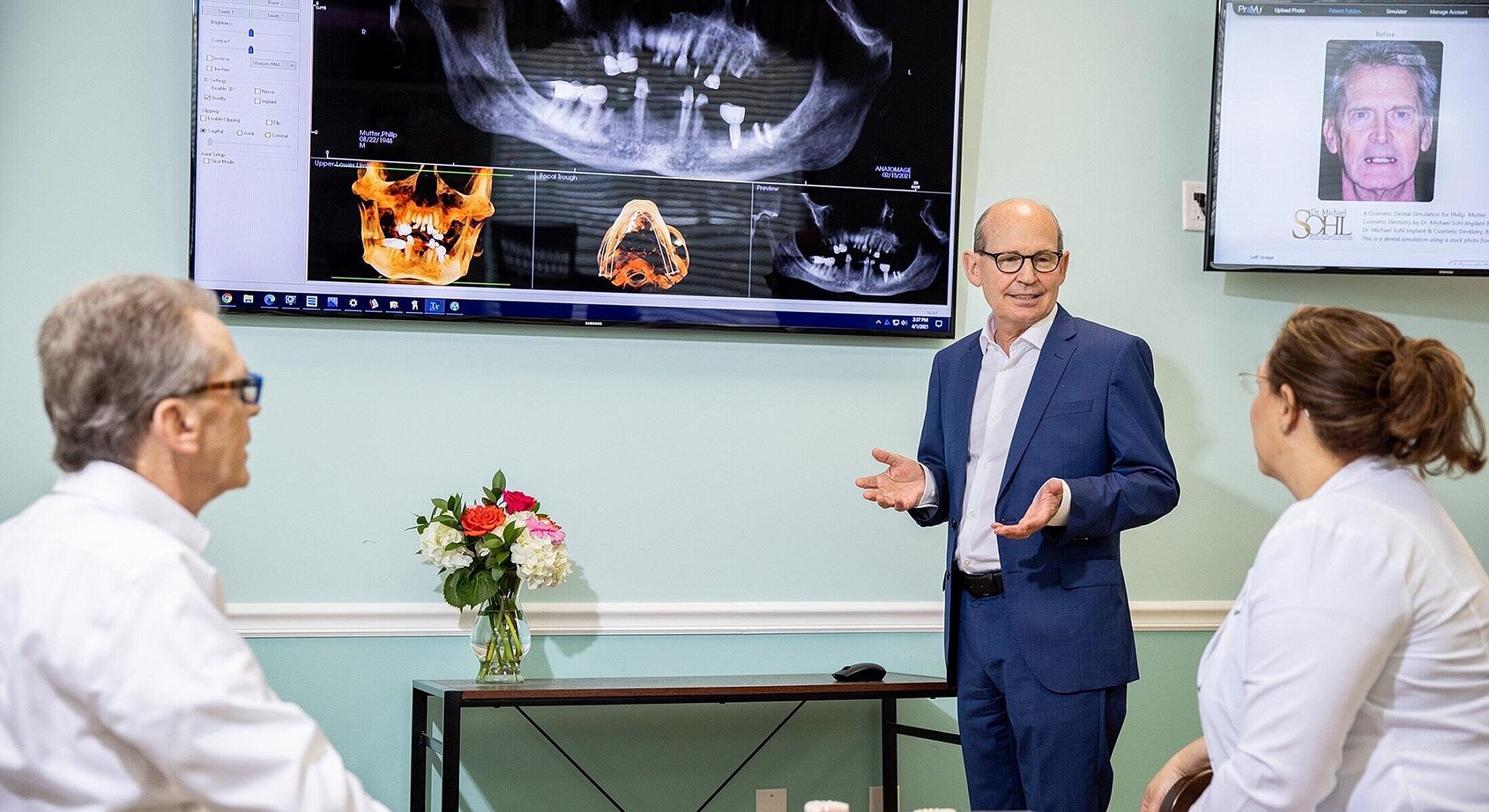
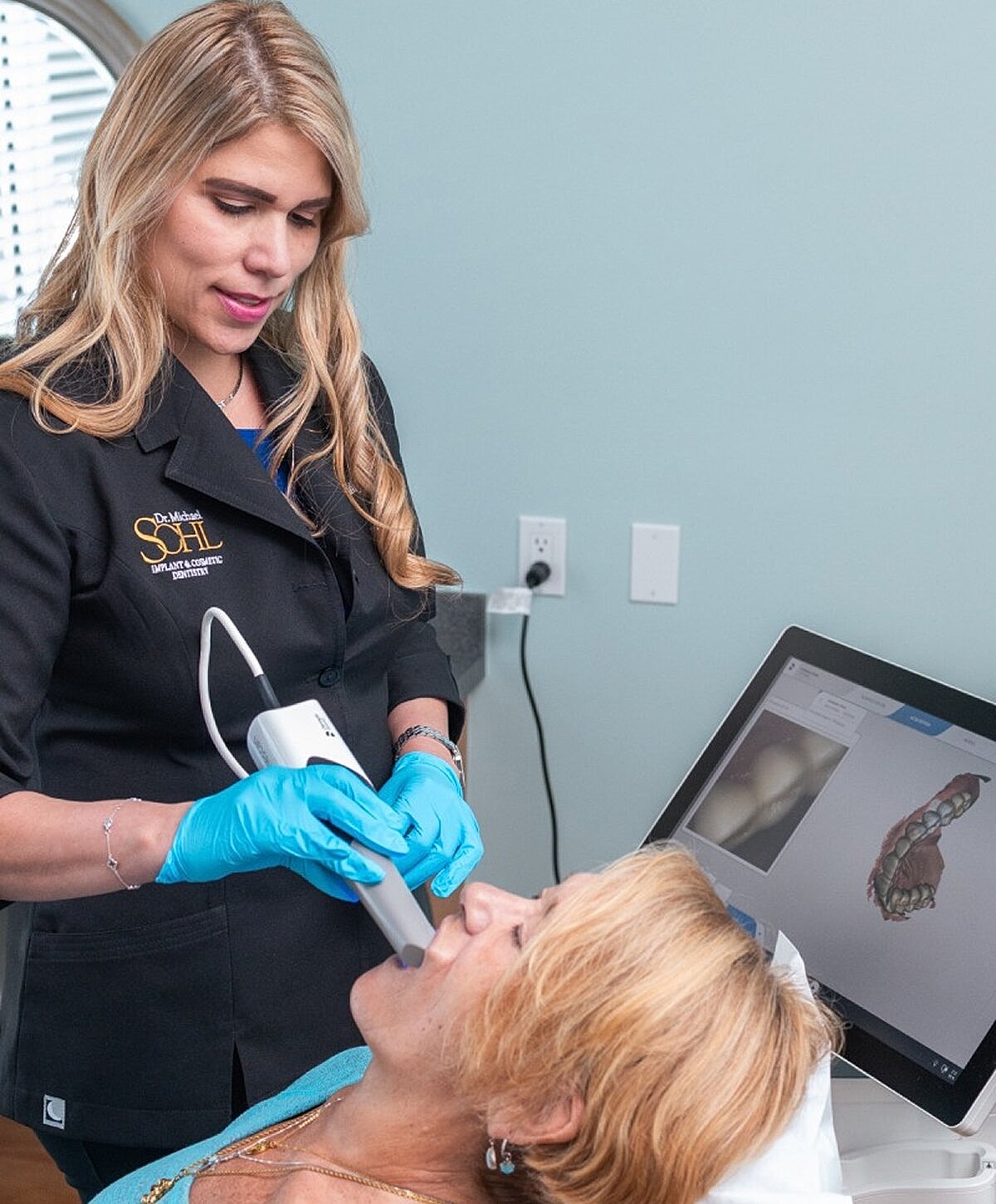
Dr. Sohl’s All-on-4 process begins by planning the new teeth first, instead of just finding places to put implants. Using Digital Smile Design, photography, cone beam CT imaging, intraoral scans, and bite analysis, he first considers where the final teeth need to sit for your face, smile, and function. Implant placement can then be planned around that restorative goal.
His current full-arch workflow includes virtual surgical planning, XNAV GPS-assisted implant placement, PIC Dental technology for recording implant positions, 3D-printed temporary teeth, digital bite testing, and fabrication of the permanent teeth.
This is important because successful full-arch treatment is about more than just placing four implants. The implants need to support a fixed bridge that looks natural, fits well with your other teeth, and feels comfortable.
Dr. Sohl has been placing dental implants since 1984, and his practice is recognized by Nobel Biocare as an All-on-4 Center of Excellence. He also holds Diamond Partner status with Nobel Biocare.
For appropriate candidates, yes. One of the advantages of All-on-4 is that temporary fixed teeth can often be attached on the day of implant surgery. However, the implants will not be fully healed on the same day.
After implant placement, the bone still needs time to integrate around the new implants. This healing period, known as osseointegration, continues for several months. The temporary restoration lets you leave with teeth while that deeper healing occurs.
Immediate temporary teeth also depend on the stability of the new implants, bone quality, and other findings during surgery. Once healing has progressed appropriately, Dr. Sohl can move forward with the final restoration.
Traditional dentures remain a reasonable tooth replacement option for some people, especially those who aren’t candidates for implant surgery or prefer a non-surgical approach. The biggest difference is stability. A removable denture rests on the gums and can shift as the jaw changes over time. Denture wearers may need adhesives, relines, or adjustments to maintain a comfortable fit.
All-on-4 uses four implants to support a fixed bridge. Unlike dentures that are removed at night, the new teeth remain attached to the implant posts. This can provide more stability for chewing and speaking and removes the need for denture adhesive. There are tradeoffs to consider. All-on-4 involves surgery, a healing period, ongoing professional care, and usually costs more than regular dentures. The best choice depends on your health, anatomy, goals, and priorities, not just the idea that one option is always better.
A single implant is often an excellent way to replace one missing tooth. The implant functions much like an artificial tooth root and supports an individual crown without relying on neighboring teeth. When many teeth are missing or an entire arch is failing, replacing every tooth with individual implants usually isn’t necessary.
All-on-4 uses just four dental implants to support a fixed bridge across the entire arch. By using fewer implants in strategic locations, the treatment can simplify full-arch tooth replacement and, in appropriate cases, reduce the amount of surgery or bone grafting needed compared with some conventional full-arch implant methods.
After implant surgery, you can expect some swelling, tenderness, and soreness. Because Dr. Sohl uses IV sedation, you’ll need someone available to drive you home after the procedure.
The early recovery period is only one part of healing. Your gums will begin recovering first, while the implants continue integrating with the jawbone over the following months. Taking good care of yourself after surgery is important. Smoking, poor oral hygiene, too much pressure on the temporary teeth, gum disease, and other health issues can slow healing and raise the risk of problems or implant failure.
Dr. Sohl will give you instructions tailored to your procedure and healing needs, instead of assuming everyone recovers at the same pace.

You’ll need to stick with soft foods while the new implants are healing. Even if you receive temporary fixed teeth on the day of surgery, those new implants aren’t ready for normal chewing forces right away. Dr. Sohl’s current protocol calls for a soft-food period while osseointegration takes place. During this stage, it is best to eat foods that you can easily cut with a fork. As you heal, Dr. Sohl will let you know when you can start eating firmer foods again.
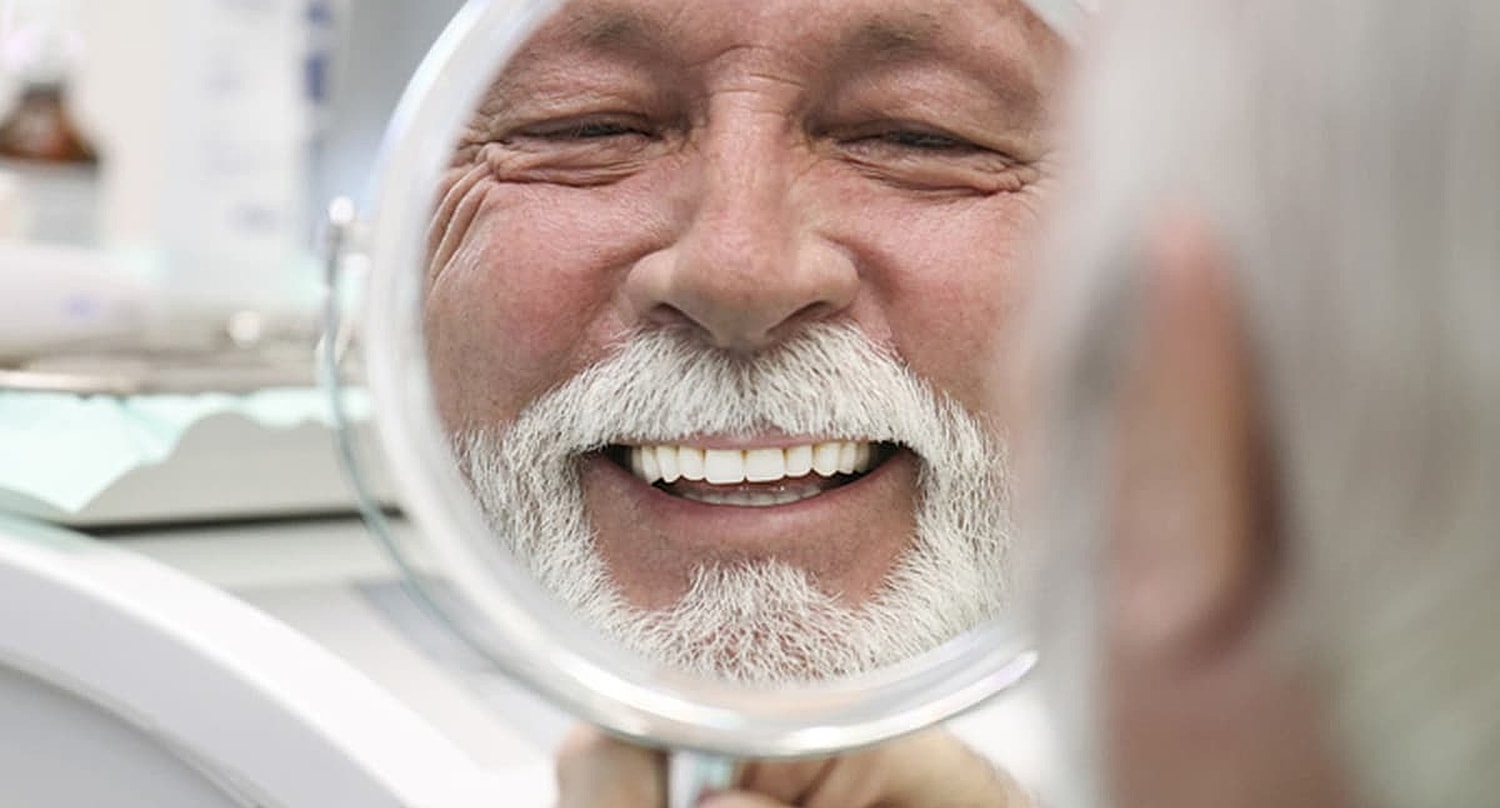
The final restoration is designed to replace an entire arch of teeth with a stable, fixed bridge. Dr. Sohl considers tooth shape, size, position, bite, smile width, and facial support so the result has a natural appearance rather than looking like a generic set of artificial teeth.
Dental implants are meant to last a long time, but they still need care. Regular cleanings, good home hygiene, and dental checkups help protect your gums, implants, and bone. The final bridge can wear down over time and may need maintenance, even if the implants stay healthy. Dr. Sohl’s main All-on-4 page also explains the difference between long-term implant support and future care for the prosthetic teeth.
There is no single price for All-on-4 dental implants because the treatment depends on your specific needs. Cost can vary based on whether you’re treating the upper or lower jaw or both, how many remaining teeth need to be removed, your bone density, whether bone grafting or another implant technique is necessary, and the restorative plan.
It’s also important to look at what the fee includes. Dr. Sohl’s All-on-4 package includes IV sedation, necessary extractions, PRP healing support, the specialized rinse, first-year professional cleanings, and a lifetime implant warranty.
Financing is available through third-party providers for patients who want to pay over time. At your consultation, you can find out what treatment Dr. Sohl recommends and what is included in your plan before you decide how to move forward.

People looking for All-on-4 dental implants in West Palm Beach may choose to visit Dr. Sohl’s Stuart office because full-arch treatment is a big decision, and experience and careful planning can be just as important as convenience. Dr. Sohl has been placing dental implants since 1984. His practice has been recognized by Nobel Biocare as an All-on-4 Center of Excellence, and he holds Diamond Partner status with the company.
His approach combines that implant experience with detailed digital planning. Digital Smile Design, 3D imaging, guided implant placement, digital bite analysis, and restorative fabrication allow the surgical plan to be built around the new smile rather than treating surgery and the final teeth as separate decisions.
He also looks at other options if All-on-4 is not the best fit. If you have healthier teeth left, another implant treatment might help you keep more of your natural teeth. For severe bone loss in the upper jaw, zygomatic implants could be better. The consultation is where you can learn which option is right for you.
You don’t need to know if you are a good candidate for All-on-4 before scheduling. The consultation is meant to help find that out. At Dr. Sohl’s Stuart office, he can evaluate your teeth, gums, bite, jawbone, bone loss, and medical history, review your 3D imaging, and explain which dental implant option makes sense for you. His current consultation process also gives patients the opportunity to see the proposed smile through the Digital Smile Design Studio.
After the consultation, you will better understand if your remaining teeth can be saved, if All-on-4 is right for you, what the procedure and recovery involve, and what services are included in your plan. For patients traveling from West Palm Beach, that information can help you decide whether moving forward with Dr. Sohl is the right next step for you.
Possibly. The angled posterior implants used in All-on-4 are designed to make strategic use of available bone and can often reduce the need for bone grafting. Severe bone loss can still change the treatment plan. Dr. Sohl may recommend grafting, zygomatic implants, or another approach depending on your anatomy.
Yes. When remaining teeth need to be removed as part of your planned All-on-4 procedure, those necessary extractions are included in Dr. Sohl’s treatment package rather than charged separately by the tooth.
Yes. IV sedation is included with Dr. Sohl’s All-on-4 implant surgery. Your medical history and health are reviewed beforehand so the sedation and surgical plan can be developed appropriately.
Many patients who meet the appropriate criteria can receive temporary fixed teeth on the day their four dental implants are placed. These are temporary teeth rather than the final restoration. Your implants still need several months to integrate with the jawbone before the restorative process is complete.
The early soreness and swelling improve much sooner than the deeper healing around the implants. Osseointegration generally takes several months, and Dr. Sohl’s current All-on-4 protocol notes that the implants continue fusing with the jawbone for three months or more. Your exact healing period depends on your bone, health, surgery, and how your implants respond.
Dental implants are designed to provide long-term support, but no implant treatment is maintenance-free. Oral hygiene, professional cleanings, gum health, smoking, bite forces, medical conditions, and other factors can influence long-term success. The fixed bridge may also need maintenance or replacement over time even if the underlying implants remain healthy.
Dr. Sohl’s treatment package includes a lifetime warranty on the dental implants. Because warranty terms and maintenance requirements matter, his team can explain the specific coverage before treatment rather than leaving you to assume what “lifetime warranty” includes.
Coverage depends on your individual plan. Some policies may contribute toward certain parts of dental implant treatment while excluding or limiting others. It’s best to confirm your benefits before including insurance in your treatment budget.
Yes. Dr. Sohl works with third-party financing providers for qualified patients who want to divide treatment costs into scheduled payments. Approval, interest rates, repayment terms, and other conditions are determined by the financing provider.

Mon-Thu: 8am – 4pm
Fri: 8am - 12pm


